


How do I switch phone carriers without losing my number or my phone? That’s the interrogation most people ask previously when they make the jump. The good news is simpler than you’d think.
A simple number port must finish within one business day under FCC rules. That’s a federal condition, not a marketing aptitude. This guide walks you through the whole development, step by step.
How do I keep my number when I switch carriers?
Keeping your phone number flinches with your new shipper, not your old one. Sign up with the new carrier first, and give them your old account quantity and PIN. They handle the port request for you.
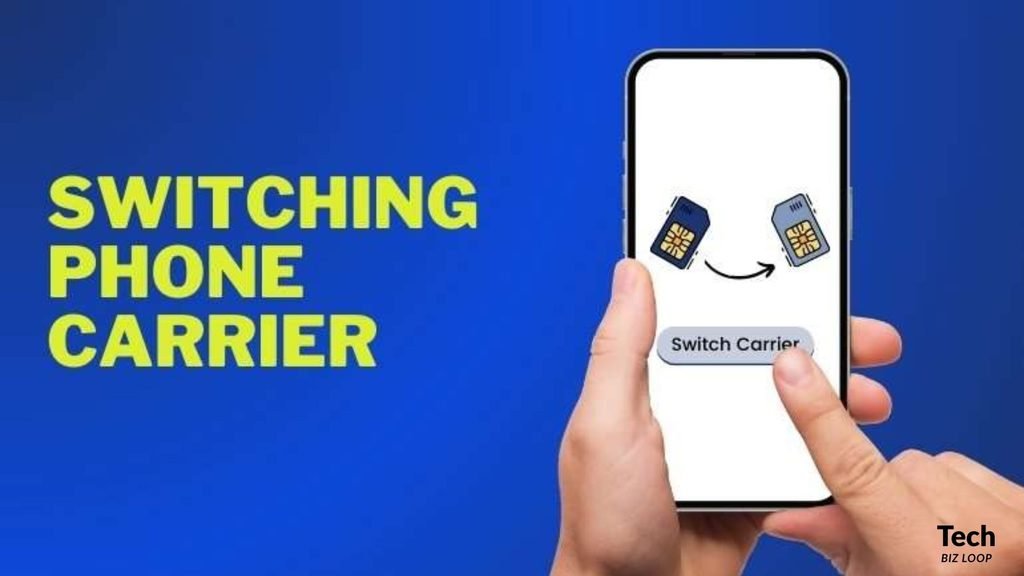
Effectiveness matters here. A request acquired before 1 p.m. local time can often be comprehensive the same day. Wait past that window, and it rolls to the next occupational day instead.
One mistake trips up more people than any other. Don’t cancel your current carrier before the port finishes. Cancel too early, and you risk losing that number for good.
Switching providers
Here’s a fast three-step checklist before you make the leap:
- Get your account number and PIN from your current carrier
- Sign up with your new carrier and request the port
- Confirm the port completed before you cancel old service
Switch and save with the best carrier deals
Switching carriers often emanates down to currency. Mobile carriers run constant upgrades, and the details shift monthly. So treat any detailed price you see online as a photograph, not an agreement.Prepaid plans typically challenge

postpaid pricing, and they skip the credit check exclusively. Postpaid plans add conventions, but they also unlock incentives like device bankrolling and family wads.
Unlimited data hardly means truly unrestrained. Most plans cap high-speed data at a set threshold, and then slow your speed subsequently. Read the fine print before you promise a new plan.
Multi-line discounts add up fast for families. Calculating a second or third line frequently drops the per-line cost markedly. Always check the current upgrades page directly, since phone deals expire without threatening.
What is number porting?

Quantity porting means poignant your prevailing number to a new carrier instead of receiving a new one. Your number legally belongs to you, not the carrier. That’s a federal protection, not a courtesy.
Simple ports involve one line with no complex switching, and they must complete within one business day. Non-simple ports, covering multiple lines, can take up to four business days instead.
Here’s the part carriers won’t advertise: they can’t block your port over an unpaid balance or an early termination fee. They can still bill you unconnectedly, but they can’t hold your quantity prisoner.
It only takes a few minutes to switch
Carrier-reported swing times are repeatedly all-inclusive inspiring, occasionally as low as 10 to 15 proceedings. However, that figure habitually concealments the sign-up step alone, not the full harbor achievement.
Plan tiers vary by carrier too. Most phone carriers offer basic, mid, and premium unlimited tiers. Compare what each tier actually includes before you assume they’re all equal.
Can I keep my phone when I switch carriers?
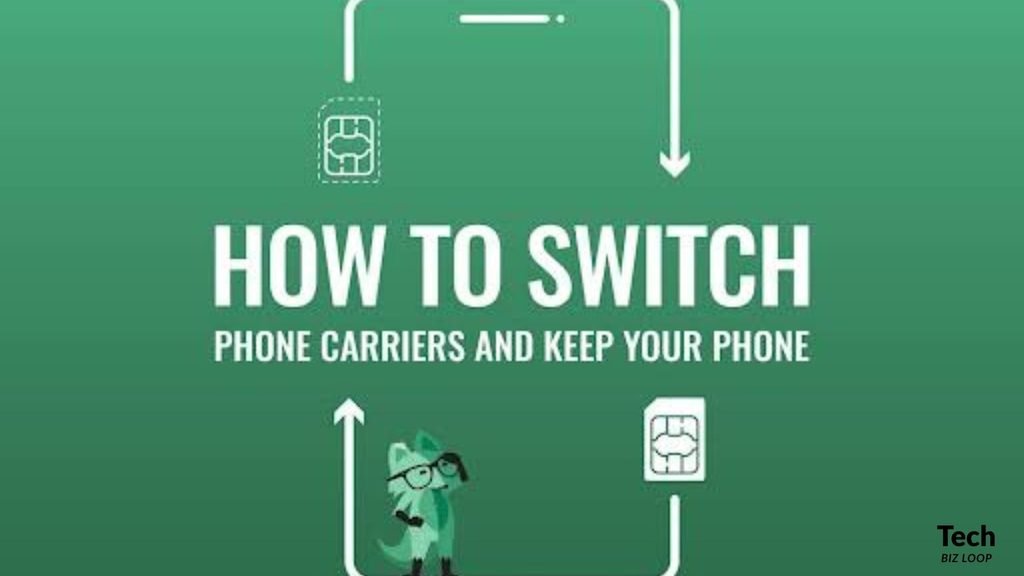
Yes, in most belongings, you can bring your existing new phone to a dissimilar network. Compatibility is contingent on a few technical factors, though, so check before you undertake it’ll work.
Network technology matters first. Approximately all U.S. networks nowadays run on VoLTE and 5G, which shortens things associated with older CDMA-era boundaries. SIM and eSIM funding matter too, since not every receiver supports both.
BYOD stands for Transport Your Own Device and BYOP means Transport Your Own Phone. Both pronounce using your current phone with a new shipper’s plan instead of buying a new one since then.
Furthermore, carriers offer a free IMEI inspector on their website. Enter your phone’s IMEI numeral, and it tells you instantaneously whether your ploy works on that link.
What if my phone is locked?
An inaccessible phone with only everything with its original carrier’s SIM card. That’s the petite answer, but the answering rules got more intricate in 2026.
Here’s a fact worth perceptive:the FCC approved Verizon a waiver from its old 60-day automatic exposing rule in January 2026.No uniform federal unlocking rule currently covers every carrier.
Verizon now follows the CTIA’s voluntary industry standard instead. Prepaid devices unlock after one year, and postpaid devices unlock once you’ve paid them off, but only upon request.
| Carrier type | Typical unlock timeline |
| Verizon prepaid | Up to one year after activation |
| Verizon postpaid | After the device is paid off, upon request |
| Other major carriers | Varies, no uniform federal rule as of 2026 |
Contact your current carrier’s unlock request page directly. Confirm your device is paid off and your account shows no fraud flags before you buy a new SIM elsewhere.
Need an upgrade? Best phone deals to save you money
Shopping for a new phone during your switch can save real money. Budget-tier phones typically offer entry-level 5G with moderate storage, which suits light users just fine.
Mid-range earphones step up the camera organization and offer more storage tiers. That said, the best phone deals with variations constantly, so check the shipper’s live pricing before you resolve.
Pro tip: Time your switch around a new phone launch. Trade-in offers spike when competitors try to poach customers from each other.
How to keep your number: FAQ
Which carrier pays you to switch?
Switch-and-save recognitions and gift cards are communal across the commerce. They aren’t tied to one concern, and offers rotate often, so check existing terms before an arrogant deal still smears.
How can I switch phone carriers without paying?
Prepaid, no-contract shippers usually have low or no substituting fees. “Free switching” still means you’ll pay for the proposal itself, so it’s not wholly free.
What’s the best cell phone company to switch to?
It is contingent on your area’s coverage, your budget, and whether you want a major system or a value carter that runs on one of the big three systems. No single reaction fits everybody.
When is the best time to switch phone carriers?
The cleverest window opens once your current indenture or portion plan ends. A paid-off, gaping phone and an inexpensive new phone launch both make good generates too.
How do I know if I have a compatible phone for my new carrier?
Use the hauler’s IMEI checker tool online. It countenances compatibility in flashes, and it also flags whether you need an instinctive SIM or an eSIM.
Common mistakes to avoid
How do I switch phone carriers a few errors trip up almost everyone during a carrier switch. Avoid them, and the whole process goes far smoother.
Canceling your old service before the port completes tops the list. So does assuming every unlimited plan works the same way. Skipping the IMEI compatibility check causes headaches too.
Comparing your options
Here’s how the main paths compare at a glance:
| Path | Pros | Cons |
| Major carrier, postpaid | Strong coverage, device financing | Higher monthly cost |
| Major carrier, prepaid | Lower cost, no credit check | Fewer perks |
| MVNO (value carrier) | Cheapest option, uses major networks | Data can be deprioritized at peak times |
Related articles
Explore more guides on how to unlock a phone, prepaid versus postpaid carriers explained, and eSIM versus physical SIM cards.
Sources
Federal Communications Commission, CTIA, Broadband Breakfast, and Bird’s telecom explainer resources.
Conclusion
How do I switch phone carriers the shrewd way? Start with the new carter, request the port, and don’t withdraw your old service too shortly. That single rule prevents most switching headaches.
Check your receiver’s lock status and IMEI compatibility before you pledge to a new carrier. Do that, and converting carriers becomes a quick run instead of a worrying suffering.




Leave a Reply